Understanding the Basics of Growing Tomatoes in Pots
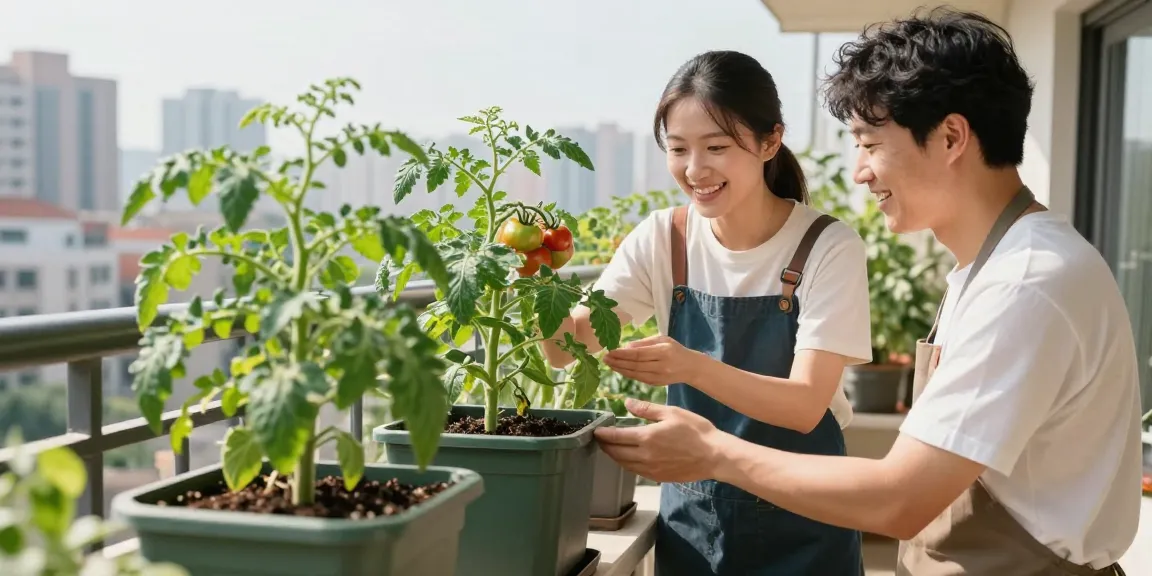
Growing your own tomatoes in pots can be a rewarding venture, especially for urban dwellers with limited garden space. The tantalizing taste of freshly picked tomatoes can elevate your meals and provide satisfaction unmatched by grocery store produce. The good news is, with the right approach, anyone can succeed at growing tomatoes in pots, no matter the size of their balcony or patio.
Essential Tools for Successful Pot Cultivation
Equipping yourself with the right tools is essential for cultivating thriving tomato plants in pots. Basic tools you should include are:
- Pots: A minimum of 30 liters is recommended.
- High-quality potting soil: Rich in nutrients while ensuring good drainage.
- Watering can or hose: For precise watering, especially important during hot months.
- Fertilizer: Organic options that are rich in potassium and phosphorus.
- Support systems: Such as cages or stakes, to help secure your plants as they grow.
The Right Tomato Varieties for Balconies
Not all tomato varieties thrive in pots equally. For balcony gardening, consider these compact types:
- Cherry Tomatoes: These are super sweet, perfect for snacking straight from the vine.
- Datterino Tomatoes: Known for their firm texture and sweet flavor, great for sauces.
- Dwarf or Balcony Tomatoes: Specialized varieties bred specifically for pot growth, ideal for small spaces.
Choosing the Ideal Pot Size and Material
Proper pot size is crucial for root development and adequate harvest yield. Opt for containers with a capacity of at least 30-40 liters to allow ample space for growth. The material of the pot also plays a role:
- Plastic pots: Retain moisture longer but may require additional drainage holes.
- Terracotta pots: Provide enhanced aeration but dry out faster, necessitating more frequent watering.
Key Mistakes to Avoid for a Blessed Tomato Harvest
Overwatering and Light Conditions
One of the most common mistakes made by novice gardeners is overwatering. Tomatoes prefer slightly moist but well-draining soils. It’s essential to monitor soil moisture regularly, especially during hot summertime when pots can dry out quickly. Be mindful that inadequate sunlight will also affect yield; ensure tomatoes receive at least six hours of direct sunlight daily.
Neglecting Soil Quality and Nutrients
The right soil mix is integral to the success of your tomato plants. A blend of good quality potting soil, mature compost, and perlite will provide nutrients and proper drainage. Before planting, consider incorporating a slow-release organic fertilizer to help nourish the young plants as they establish themselves.
Choosing Small Containers
Using pots that are too small is a glaring common oversight. Tomatoes thrive in spacious environments because they have extensive root systems. Small containers can restrict growth, leading to poor fruit production. Always aim for at least a 30-liter pot.
Best Practices for Tomato Care During Hot Summers
Managing Water Needs Effectively
Effective water management is particularly crucial for pot-grown tomatoes in summer. To maintain proper moisture levels, water the plants daily during scorching weather, ideally in the early morning or late afternoon. Ensure pots have adequate drainage to prevent water stagnation, which can lead to root rot.
Importance of Support Structures
As your tomato plants grow taller, they will need structural support to prevent bending or breaking under the weight of the fruit. Installing supports like bamboo stakes, tomato cages, or trellises early in the growing season will allow your plants to flourish while maintaining good air circulation among the foliage.
Using Organic Fertilizers for Better Growth
Regular fertilization will sustain tomato plants in their critical growth periods. Organic fertilizers rich in potassium, phosphorus, and organic matter should be applied every two to three weeks during the growing season to encourage flowering and fruit development.
Intervention Strategies for Troubled Tomato Plants
Identifying Signs of Distress in Tomato Plants
Understanding the signs that your tomato plants may be in distress is key to intervention. Yellowing leaves, stunted growth, or wilting are indicators of various issues, such as nutrient deficiencies or improper watering. Take immediate action by checking soil conditions and adjusting care accordingly.
When to Apply Quick Fix Solutions
If a plant appears to be suffering, assessing its environment is critical. Sometimes, a quick fix such as relocating the pot to maximize sunlight exposure may resolve issues. If the problem persists after a few days, consider repotting or adjusting your watering schedule.
Adjusting Care Based on Seasonal Changes
As seasons transition, so do the care requirements of your tomato plants. Be prepared to change your watering and fertilization frequency based on changes in temperature and sunlight availability. During particularly hot spells, ensure that you monitor your plants closely for stress signs.
Harvesting and Storing Your Potted Tomato Produce
When to Harvest for Maximum Flavor
Timing your harvest is crucial for flavor. Tomatoes are generally ready to harvest between June and September, depending on the variety. Ripe tomatoes should display a vibrant color and feel firm to the touch. Regular harvesting will encourage further fruit production.
Best Storage Practices for Fresh Tomatoes
To store fresh tomatoes, keep them at room temperature, away from direct sunlight. This preserves their flavor, as refrigerating them can alter their texture and taste. If you have an abundance, consider canning or drying excess tomatoes to enjoy later.
Transforming Your Balcony Garden Experience
Every successful harvest transforms your perspective on food sourcing and preparation. Embracing balcony gardening creates a personal connection with food and fosters a deeper appreciation for the effort that goes into growing it. Share your story of balcony gardening to inspire others in your community and cultivate a shared passion.