Introduction to Play Kitchens: What Makes Them Great?
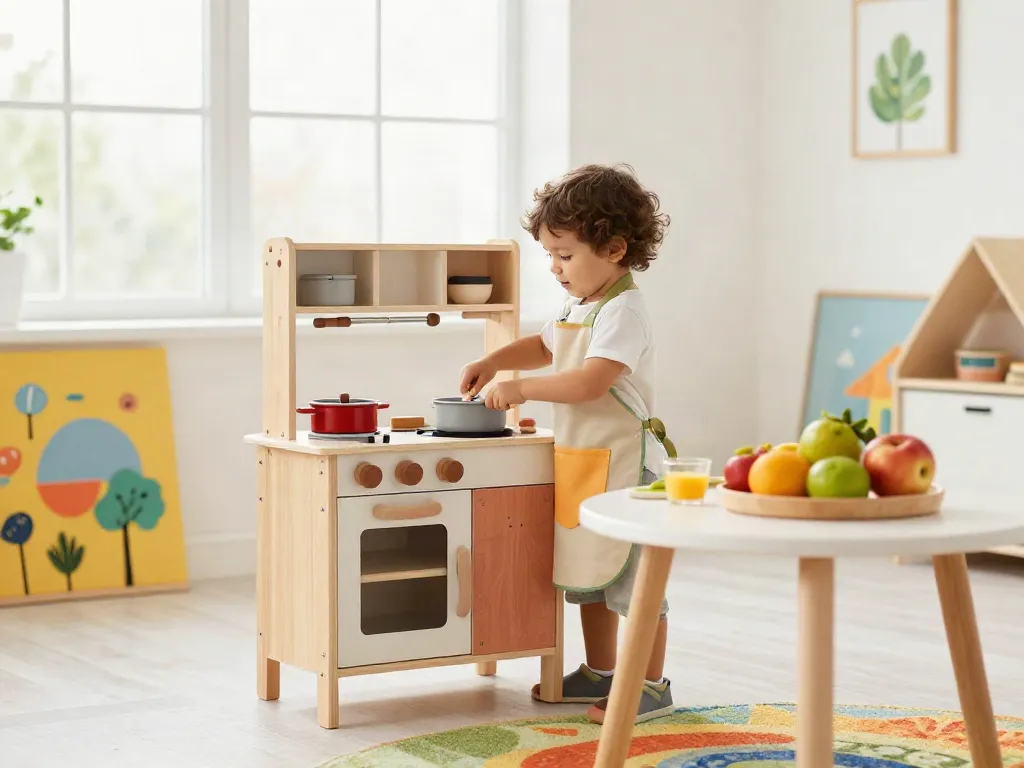
When it comes to childhood play, few toys capture the imagination quite like a play kitchen. These delightful miniature cooking spaces not only bring the joy of culinary creativity to young minds but also serve as essential tools for developmental growth. Play kitchens allow children to mimic real-life activities, promoting social interaction, fine motor skills, and imaginative play. In 2026, the evolution of play kitchens includes more advanced features, safety considerations, and sustainable materials, making them a staple in many homes. When exploring options, play kitchen sets are leading the trend with a variety of choices to inspire young chefs.
Understanding the Benefits of a Play Kitchen
Play kitchens offer a multitude of benefits that extend beyond mere entertainment. They encourage creativity as children invent their culinary scenarios, fostering storytelling and role-playing skills. Furthermore, play kitchens can serve as a medium for teaching essential life skills such as sharing and cooperation when children engage in group play. The hands-on experience can enhance problem-solving abilities by allowing kids to navigate situations like meal preparation and clean-up. By embracing imaginative play, children can also develop emotional intelligence as they explore various roles and scenarios.
Choosing the Right Age Range for Play Kitchens
Determining the appropriate age range for a play kitchen can significantly enhance the play experience. Most brands recommend play kitchens for toddlers aged 2 to 6. At this age, children are beginning to grasp the concept of imaginative play and can engage with the kitchen features effectively. However, older children, up to age 10, can also enjoy more complex play kitchens, especially those with interactive elements and advanced features. It's important for parents and caregivers to consider the child's interests and developmental stage when selecting a kitchen set.
Key Features to Look for in a Play Kitchen
When shopping for a play kitchen, certain features can make all the difference in the quality of playtime. Look for kitchens equipped with realistic appliances like stovetops, ovens, and sinks. Incorporating real-life elements can spark your child's imagination while enhancing their role-play experiences. Additionally, features such as storage space and accessories like pots, pans, and utensils can enrich the play scenarios. Finally, ensure that the materials used are durable and child-friendly, as these factors contribute to both safety and longevity.
Top Features of Play Kitchens for Engaging Play
Interactive Cooking Appliances: Sparks Imagination
Modern play kitchens are designed with interactive features that go beyond traditional toy kitchens. Many sets now include appliances that mimic cooking sounds or have lights to simulate cooking action, which can be incredibly engaging for children. Features like turning knobs and opening doors create an immersive experience, allowing children to express their culinary skills and engage in realistic role-playing. These interactive elements not only make play more enjoyable but also encourage children to explore STEM concepts through pretend cooking activities.
Safety Considerations and Material Quality
Safety is paramount when choosing a play kitchen. Opt for sets made from non-toxic materials such as wood or high-quality plastic free from harmful chemicals. Always check for certifications like EN71 or ASTM that indicate compliance with safety standards. Furthermore, ensure that the kitchen set is sturdy and designed to withstand the rigours of play, as well as the occasional bump and fall. Proper safety measures allow parents to feel confident that their children can play freely without risk of injury.
Customisation Options for Personalised Play
Customisation can elevate the play experience as it allows children to make the kitchen their own. Look for play kitchens that offer colour choices, themes, or the ability to add personal touches through accessories or decals. Some brands even provide modular pieces that can be rearranged or expanded, offering children the chance to design their dream kitchen. This level of personalisation not only makes the kitchen more appealing but also gives the child a sense of ownership and pride in their play space.
Buying Guide: How to Select the Best Play Kitchen
Budgeting for Your Ideal Play Kitchen
Setting a budget before shopping for a play kitchen can help streamline the selection process. Prices can vary significantly based on materials, features, and brand reputation. Basic plastic play kitchens can start as low as £50, while high-end wooden models with interactive features could exceed £200. Consider what features are most important to your child and balance those desires with your budget. Investing in a quality play kitchen can be worthwhile, as it often contributes to longer playtime and developmental benefits.
Evaluating Brand Reputation and Reviews
Before making a purchase, take the time to research brand reputation and customer reviews. Trusted brands like KidKraft, Step2, and Melissa & Doug are known for their quality and safety standards, but always check the latest reviews online. This research can provide insights into a product's durability, ease of assembly, and overall satisfaction. Pay attention to customer feedback about any common issues or concerns, as well as how responsive the brand is to customer service queries.
Comparing Wooden vs. Plastic Play Kitchens
When choosing between wooden and plastic play kitchens, consider the advantages and disadvantages of each material. Wooden kitchens are often considered more durable and aesthetically pleasing, providing a classic look that can endure years of play. However, they tend to be heavier and more expensive. Plastic kitchens, on the other hand, are lighter, often more affordable, and easier to clean. Each option has its merits, so assessing your family's preferences and play habits will guide the final decision.
Maintenance and Care for Your Play Kitchen
Cleaning Tips for Longevity
Proper maintenance will extend the life of a play kitchen. Regular cleaning is essential, especially in areas where food play occurs. Use a wipeable cloth with mild soap and water to clean surfaces, and avoid harsh chemicals that could damage the finish or pose safety hazards. For wooden kitchens, ensure they are treated with child-safe wood oils to maintain their appearance and durability. Establish a regular cleaning routine to keep the kitchen hygienic and looking its best.
Repairing Common Issues with Play Kitchens
Despite the best care, play kitchens can experience wear and tear. Common issues include loose knobs, peeling paint, or broken pieces. Most brands offer replacement parts, so check with the manufacturer for availability. For minor repairs, a simple wood glue can fix broken edges, while reinserting screws can stabilize loose components. Addressing these issues promptly will ensure that your child's play experience remains uninterrupted.
Storing Play Kitchen Accessories Effectively
To maintain a tidy and organised play area, develop a system for storing kitchen accessories. Consider using storage bins or baskets to keep utensils, pots, and pans sorted. Labelling these containers can help children learn to put items away after playtime, instilling a sense of responsibility. Additionally, some play kitchens come with built-in storage solutions, which can be a great way to encourage children to keep their space neat while still enjoying easy access to their favourite toys.
Future Trends in Play Kitchens for 2026
Smart Technology Integration in Play Kitchens
The future of play kitchens is exciting, with smart technology poised to play a significant role. Features like interactive tablets for recipe suggestions, voice-activated appliances, and augmented reality cooking experiences are on the horizon. These advancements can create not only a fun play environment but also educational opportunities, introducing concepts such as basic cooking skills and nutrition in engaging ways.
Sustainable Materials in Toy Manufacturing
As sustainability becomes increasingly important, many toy manufacturers are shifting towards eco-friendly materials in their products. Expect to see more play kitchens made from recycled plastics and sustainably sourced wood, reflecting a growing commitment to environmental responsibility. Choosing sustainable toys not only promotes eco-conscious values in children but also supports a healthier planet.
Incorporating Educational Elements into Play
Brands are recognising the educational potential of play kitchens and are integrating learning elements into their designs. Look for kitchens that offer measuring tools to teach young chefs about quantities or recipes that introduce basic math and science concepts. This combination of fun and learning can enhance children’s cognitive skills while they engage in imaginative play.
What Age Should a Kid Get a Play Kitchen?
Determining the right age for a child to receive a play kitchen varies depending on developmental readiness, but generally, children aged 2 to 3 years old are ideal candidates. At this stage, they are beginning to mimic adult behaviours and can enjoy imaginative play. Older children, up to age 10, can continue to find value in these kitchens, especially those with more advanced features.
How Much Does a Play Kitchen Cost?
The cost of a play kitchen varies widely, influenced by the size, material, and brand. Basic models can be found for as little as £50, while premium wooden kitchens with extensive features can exceed £200. It's essential to consider what fits within your budget while also meeting your child's play needs and preferences.
Which Play Kitchen is the Best?
Choosing the best play kitchen ultimately depends on your child's interests and needs. Brands like KidKraft, Step2, and Melissa & Doug consistently receive high marks for quality and safety. Consider kitchens that offer interactive features, durability, and a design that sparks your child's imagination, ensuring they will enjoy countless hours of creative play.